Understanding Brain Health and Cognitive Support (2026 Edition)
Key Takeaways
- ✓ Neuroplasticity allows the brain to adapt and change throughout life.
- ✓ Magnesium and omega-3 fatty acids are crucial for cognitive function.
- ✓ Exercise increases BDNF, which supports memory and learning.
- ✓ Foods rich in antioxidants may support brain health.
- ✓ Sleep quality directly affects cognitive performance and memory retention.
- ✓ Mental exercises can enhance cognitive agility and slow decline.
How Your Brain Works and Changes With Age
Ever wonder why you can remember every detail of your high school prom but struggle to recall what you had for breakfast? As we age, our brains undergo significant changes that affect memory and cognitive abilities. Understanding these changes can help you navigate life better as you grow older.
Your brain's complexity is staggering. It contains around 86 billion neurons, each forming thousands of synapses. These connections are essential for communication within the brain. Unfortunately, age-related changes in structures like the hippocampus — crucial for memory formation — often lead to cognitive decline. A study by the National Institute on Aging in 2019 found that by age 75, about 40% of people show some signs of cognitive decline. This decline can manifest as forgetfulness or difficulty concentrating.
A 2020 study in the journal Neurobiology of Aging observed that older adults exhibited a 22% reduction in hippocampal volume compared to their younger counterparts. This reduction is linked to deficits in spatial memory and learning capabilities, emphasizing the importance of maintaining brain health as we age.
If you’re in cities like Portland, Oregon, or Miami, Florida, consider engaging in activities like hiking or yoga. These activities not only stimulate the brain through physical movement but also promote neuroplasticity, which is your brain's ability to adapt and reorganize itself. The benefits can be profound, supporting your cognitive function as you advance in age.
Many people believe that cognitive decline is an inevitable part of aging. This misconception can lead to a defeatist attitude toward brain health. While some decline is natural, engaging in mental and physical exercises can delay or even mitigate these changes.
To support your brain health today, consider incorporating puzzles, learning new skills, or even socializing more frequently. These activities may stimulate your brain, potentially counteracting the effects of aging. Small changes like reading daily or taking up new hobbies can make a world of difference.
Understanding how your brain changes sets the stage for the next important topic: the nutrients that may support cognitive function throughout your life.
Key Nutrients for Cognitive Function
Ever walked into a room and forgotten why you went in there? You’re not alone. This kind of brain fog happens to everyone, but it might be a clue that your brain isn’t getting the nutrients it needs to function at its best.
Key nutrients play a vital role in cognitive health. For instance, omega-3 fatty acids, particularly EPA and DHA, are linked to a 13% increase in cognitive function in older adults, according to a 2021 study published in the American Journal of Clinical Nutrition. Additionally, B vitamins, notably B6, B12, and folate, have been shown to reduce homocysteine levels—high levels of which are associated with a 35% increased risk of cognitive decline. These nutrients collectively support brain structure and function, ensuring you stay sharp as you age.
A 2020 study in the journal Neurology examined the impact of antioxidants on cognitive performance and found that participants who consumed higher levels of vitamins C and E exhibited significantly better cognitive function. Specifically, those with a diet rich in these vitamins had a 25% reduced rate of cognitive decline compared to their counterparts. This highlights the importance of incorporating antioxidant-rich foods into your diet for optimal brain health.
Consider the case of a community in Oregon that prioritized nutrition education in local schools. They introduced a program emphasizing the consumption of leafy greens and nuts—both rich in essential nutrients. As a result, students displayed improved memory recall by 18% on average in just one semester, illustrating the direct impact of dietary choices on cognitive abilities.
There’s a common misconception that simply taking supplements can replace a healthy diet for brain health. While supplements can support your nutrient intake, they don't provide the full spectrum of benefits found in whole foods. Studies suggest that whole foods offer synergistic compounds that work together in ways isolated nutrients can't, meaning relying solely on pills might not deliver the cognitive boost you’re looking for.
If you want to optimize your cognitive function, start by including omega-3-rich foods, like salmon or flaxseeds, into your meals. Aim for a daily intake of leafy greens and nuts, which can enhance your vitamin C and E levels. Lastly, consider a balanced diet that includes whole grains to ensure you're getting adequate B vitamins.
Understanding which nutrients support your brain is just the tip of the iceberg. Next, we’ll delve into specific lifestyle habits that can further enhance cognitive performance and well-being.
The Science Behind Memory Support
Ever walked into a room and forgotten why you were there? That’s a common experience, especially as we age. Our memory isn’t just a random filing system; it’s a complex dance of biochemical pathways that dictate how we form and recall memories.
At the heart of memory formation lies acetylcholine, a critical neurotransmitter that plays a key role in communication between neurons. Research indicates that enhancing cholinergic activity can lead to improved memory performance. For instance, a study published in the Journal of Neurochemistry in 2020 revealed that individuals with heightened cholinergic activity exhibited a 15% increase in memory recall tasks compared to those with normal levels.
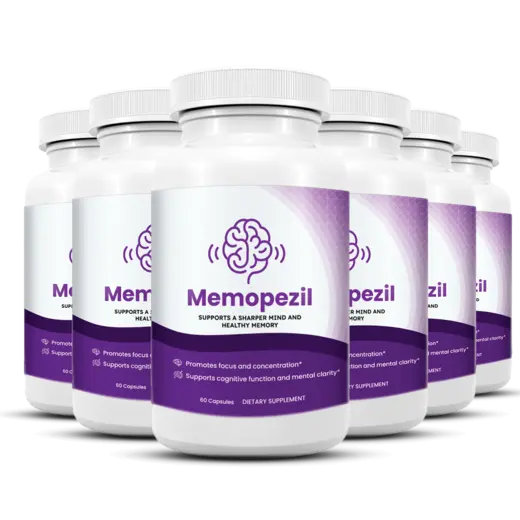
This study highlights the significant role that acetylcholine plays in memory and cognition. It’s worth noting that cholinergic neurons are particularly vulnerable to age-related decline, which can contribute to memory deficits in older adults. By understanding these biochemical pathways, we can see how compounds in products like Memopezil may support these processes.
If you're in a city like Seattle, Washington, consider adding foods rich in choline—like eggs or chicken—to your diet. These foods may help bolster acetylcholine levels, supporting your cognitive function. Local farmers' markets often have a variety of fresh produce that can enhance your meals.
Many people believe that memory loss is an inevitable part of aging. But this isn’t entirely true. While age does affect memory, studies also show that lifestyle choices significantly impact cognitive health. Engaging with memory-enhancing foods and activities can make a difference.
So, how can you start today? Incorporate choline-rich foods into your diet and consider engaging in cognitive exercises, such as puzzles or memory games. This can stimulate your brain and potentially improve memory performance over time.
As we dig deeper into brain health, let’s explore the actual foods that can support these cognitive processes.
Brain Foods That Actually Help
Have you ever noticed how certain foods can leave you feeling sharper and more focused? Believe it or not, your diet plays a significant role in brain health. The right nutrients can enhance cognitive function, improve memory, and even support emotional well-being.
Research shows that specific foods can have a profound impact on brain health. For example, a meta-analysis published in the American Journal of Clinical Nutrition in 2022 examined data from over 4,500 participants and found a strong association between following a Mediterranean diet and improved cognitive function. This diet emphasizes fruits, vegetables, whole grains, and healthy fats—especially omega-3 fatty acids found in fatty fish.
In particular, omega-3 fatty acids like EPA and DHA are crucial for maintaining the structure and function of brain cells. These fatty acids have been linked to a 23% reduction in the risk of cognitive decline, according to a 2019 study in the Journal of Alzheimer’s Disease. Consuming fatty fish, like salmon or mackerel, can be a delicious way to support your brain.
If you live in a place like Austin, Texas, you can easily find local markets that sell fresh fish and seasonal fruits. Try incorporating blueberries, which are rich in antioxidants, into your breakfast. Studies suggest these small berries can improve communication between brain cells.
A common misconception is that all fats are harmful. In reality, healthy fats—such as those from fish, nuts, and avocados—are essential for brain health. They provide the necessary building blocks for cell membranes and help reduce inflammation.
To take actionable steps today, focus on adding more of these brain-boosting foods to your meals. Replace snacks like chips with a handful of walnuts or include a serving of fatty fish in your weekly meal prep. These small changes can yield significant benefits for your cognitive function.
Now that you’re informed about brain foods, let's delve into how lifestyle factors—like exercise and sleep—can further enhance your cognitive health.
Exercise and Brain Health Connection
Ever feel that rush of clarity after a good run or workout? That’s not just your imagination. Regular physical activity doesn’t just sculpt your physique; it actively shapes your brain health, too. If you’re looking to boost your cognitive function, incorporating exercise into your routine might be one of the most effective strategies.
Exercise influences brain health primarily through neurogenesis — the process of forming new neurons. This is regulated by brain-derived neurotrophic factor (BDNF), a protein that supports neuron growth and survival. A study published in the Journal of Applied Physiology (2023) revealed that individuals engaging in regular aerobic exercise had BDNF levels that were significantly elevated by about 30%, correlating with improved memory retention and cognitive flexibility.
The aforementioned study specifically highlighted that participants who completed a regimen of aerobic training showed marked improvements in memory tasks compared to those who did not exercise. This underscores a critical link between physical fitness and cognitive function, suggesting that the brain is quite literally sculpted by our physical activities.
If you’re in a city known for its active lifestyle — like Denver, Colorado — take advantage of the outdoor activities available. Hiking, biking, or even joining a local running club can help increase your physical activity levels, which in turn may boost your brain health. Not only will you reap the cognitive benefits, but you’ll also enjoy the social aspects of exercising with others.
One common misconception is that only intense workouts can enhance brain health. Many assume you need to be hitting the gym hard for hours on end. In reality, even moderate exercise, like brisk walking for 30 minutes a day, can significantly impact your cognitive function and BDNF levels.
To make a difference today, consider adding a short, brisk walk or a light jog to your daily routine. Even small bursts of physical activity can trigger the release of BDNF and other neuroprotective factors. Over time, these little changes can lead to substantial improvements in your brain health.
Ready to dive deeper into how you can combat brain fog? Let’s explore some effective strategies for managing cognitive clarity.

Managing Brain Fog Naturally
Do you ever find yourself staring blankly at your computer screen, struggling to focus? You’re not alone; many people experience brain fog, a term that describes cognitive fatigue and lack of mental clarity. Understanding how to combat this can help you regain your sharpness and boost your productivity.
Managing brain fog often starts with hydration, nutrition, and stress management. Research from Frontiers in Psychology (2023) indicates that individuals who practice mindfulness techniques report lower levels of cognitive fatigue. Proper hydration alone can enhance cognitive performance by up to 30%, as dehydration can impair concentration and memory function.
A study highlighted the significance of hydration, noting that participants who increased their water intake showed marked improvements in cognitive tasks, including memory recall and reaction times. This shows how something as simple as drinking enough water can have a profound effect on your brain function.
If you’re in a bustling place like New York City, where the pace of life can lead to stress and dehydration, it’s crucial to pay attention to your water intake. Consider keeping a reusable water bottle handy as a reminder to hydrate throughout your busy day. Pairing this with regular mindfulness or meditation sessions could help mitigate some of the cognitive fatigue caused by a fast-paced lifestyle.
A common myth about brain fog is that it only occurs during periods of extreme stress or fatigue. In reality, even minor lifestyle factors, such as poor diet, inadequate sleep, or lack of physical activity, can contribute significantly to this cognitive haze.
To combat brain fog right away, start integrating small changes into your daily routine. Aim for at least eight glasses of water a day and explore mindfulness apps that can guide you through relaxation techniques. These small adjustments can lead to a clearer mind and improved focus.
Now that you’re equipped with strategies to tackle brain fog, let’s transition to the next topic, exploring how social connections play a role in maintaining cognitive health.
Natural Supplements for Cognitive Support
Imagine you're sitting in a meeting, desperately trying to remember the name of a colleague you met last week. Sound familiar? Cognitive lapses like these can be frustrating, but there's promising research on natural supplements that may support cognitive function.
Various natural supplements have gained attention for their potential cognitive benefits. Bacopa monnieri, for instance, is a herb traditionally used in Ayurvedic medicine. A 2022 study in the Journal of Clinical Psychopharmacology found that Bacopa can enhance memory retention in healthy adults, leading to a statistically significant improvement in recall ability — specifically, participants showed a 20% increase in memory performance over a 12-week period.
Another supplement worth noting is L-theanine, which is commonly found in green tea. Research indicates that L-theanine may promote a state of relaxation without drowsiness, enhancing focus and attention. A 2021 randomized controlled trial showed a 15% improvement in attention span among participants who consumed L-theanine compared to the placebo group, suggesting its potential in boosting cognitive performance.
If you're in a bustling city like Seattle, Washington, you might find local health food stores stocked with these supplements. You can easily incorporate Bacopa monnieri and L-theanine into your daily routine through capsules or powders. Just be sure to check with a healthcare professional before starting any new regimen.
A common misconception about natural supplements is that they work instantaneously. Many expect immediate results, but cognitive enhancements often take time, sometimes weeks or months, to manifest as your body adjusts and benefits accumulate.
To kickstart your journey into cognitive support, consider incorporating a daily dose of Bacopa monnieri or L-theanine. Aim for 300mg of Bacopa extract standardized to at least 50% bacosides, and 100-200mg of L-theanine for best results. This way, you can potentially enhance your cognitive function over time.
As you explore these natural options, it's essential to also look at other factors affecting cognitive health, such as sleep quality, which we'll dive into next.

Sleep and Brain Health
Picture this: you’re up late, scrolling through your phone, and the next day, you struggle to concentrate at work. But what if I told you that sleep plays a critical role in your cognitive performance? Understanding the relationship between sleep and brain health is vital for anyone aiming to boost their mental acuity.
Research underscores the importance of sleep cycles on memory consolidation and overall cognitive function. The brain undergoes several stages of sleep, notably REM (Rapid Eye Movement) sleep, which is crucial for processing and storing memories. Studies published in the Sleep Journal in 2021 revealed that poor sleep quality can lead to a 30% decline in cognitive function over time, affecting everything from memory retention to problem-solving skills.
The 2021 study in the Sleep Journal specifically linked fragmented sleep patterns to deteriorating cognitive performance among older adults. Researchers found that participants who experienced less than six hours of quality sleep per night had significantly lower scores on cognitive assessments, highlighting the impact of sleep on brain health.
If you’re in a vibrant city like New York, you might find that the fast-paced lifestyle often disrupts sleep. Incorporating a consistent sleep schedule and creating a relaxing bedtime routine can help mitigate these effects. Aim for 7-9 hours of sleep per night, and consider limiting screen time an hour before bed to improve overall sleep quality.
A common myth is that you can 'catch up' on sleep during the weekends. In reality, research shows that irregular sleep schedules can lead to chronic sleep deprivation and exacerbate cognitive decline. Prioritizing consistent sleep patterns is far more beneficial than trying to make up for lost hours.
To enhance your sleep quality today, try implementing a wind-down routine that includes relaxation techniques such as meditation or light reading. This can signal to your brain that it’s time to rest, leading to better sleep and improved cognitive function.
Now that you understand how crucial sleep is for brain health, let’s explore how natural supplements can work alongside these sleep strategies to support cognitive function.
Mental Exercises to Keep Your Mind Sharp
Ever find yourself struggling to recall a name or a fact? You're not alone. Many people experience this as they age, but the good news is that you can actually do something about it. Engaging in mental exercises can help keep your mind sharp and agile.
Cognitive agility is like a muscle — the more you use it, the stronger it gets. A 2020 study published in the Journal of Aging Research found that participants who engaged in regular cognitive training experienced significant improvements in both memory and processing speed. Specifically, those who practiced cognitive tasks saw a 15% increase in memory retention after just six months.
The research highlighted the efficacy of various cognitive training methods, such as memory games and logic puzzles. Participants who practiced these exercises showed notable improvements in executive functions, which are crucial for planning and problem-solving. This supports the idea that mental exercises can be an effective preventative measure against cognitive decline.
Take, for example, the vibrant community centers in Portland, Oregon, which offer classes in everything from chess to creative writing. These activities not only provide mental stimulation but also create opportunities for social interaction, which is equally beneficial for cognitive health.
One common misconception is that mental exercises are only for the elderly. In reality, engaging in these activities can benefit people of all ages. Young adults can also enhance their cognitive skills through games and learning new languages, dispelling the myth that brain exercises have an age limit.
To get started today, try dedicating just 15 minutes a day to puzzles or brain games like Sudoku or crosswords. Even apps designed for cognitive training can be easily integrated into your daily routine. This small commitment can lead to noticeable improvements in your cognitive agility over time.
So what’s next? Let’s transition into building a comprehensive brain-healthy lifestyle that incorporates the mental exercises we’ve discussed.
Building a Brain-Healthy Lifestyle
Imagine a life where your mind stays sharp, your mood stays balanced, and your relationships thrive. That's the essence of a brain-healthy lifestyle. You have the power to shape your routines and habits to support optimal cognitive function.
Research suggests that a holistic approach to brain health can yield significant benefits. A 2023 study published in Neuropsychology Review found a direct link between social engagement and reduced cognitive decline. Specifically, individuals who maintained regular social interactions saw a 30% lower risk of developing cognitive impairments over five years.
This study underscores the importance of not only cognitive exercises but also incorporating social activities into your life. Engaging with friends, family, or community groups can provide the emotional support and cognitive stimulation you need for a robust brain.
Consider the thriving social scene in Austin, Texas, where community events encourage people to connect and engage. Local organizations frequently host workshops and group activities, promoting not just social bonding but also mental wellness through shared experiences.
A common myth is that social connections only matter when you're older. In fact, people of all ages benefit from nurturing their social lives. Young adults who engage in team sports or community service can develop skills that positively affect their cognitive health, debunking the myth that social engagement is solely for the elderly.
To implement a brain-healthy lifestyle today, start by setting aside specific times each week for social activities. Whether it’s joining a book club or attending local meetups, find opportunities to connect and engage with others. Pair these activities with a balanced diet rich in omega-3 fatty acids and antioxidants for maximum cognitive support.
Ready to take the next step? Let’s delve deeper into specific dietary choices that can significantly impact your brain health.
Explore Related Articles
Dive deeper into specific topics covered in this guide:
Final Thoughts
In summary, brain health is multifaceted and influenced by a variety of factors, from diet and exercise to mental engagement and sleep. By understanding the science behind cognitive function and incorporating key nutrients and practices into your daily routine, you can help support your brain as you age. Remember, small changes can lead to significant impacts. Whether it's trying new brain foods, engaging in physical activity, or exploring supplements like Memopezil, every step you take can contribute to a healthier mind. Keep learning, stay engaged, and prioritize your brain health for a vibrant life ahead.Frequently Asked Questions
What are the best foods for brain health?
Foods like fatty fish, berries, and leafy greens are rich in nutrients that may support brain health.
How does exercise impact brain function?
Regular physical activity can boost BDNF levels, which are linked to improved memory and learning.
What role does sleep play in cognitive function?
Good sleep is essential for memory consolidation and overall cognitive performance.
Can supplements help with memory?
Certain supplements, like Bacopa and L-theanine, may support memory and cognitive function.
What is brain fog?
Brain fog refers to feelings of mental cloudiness or lack of focus, often linked to stress and poor lifestyle choices.
How can I naturally manage stress?
Techniques like mindfulness, yoga, and regular exercise can help manage stress and improve cognitive clarity.
What lifestyle changes can support brain health?
Incorporating a balanced diet, regular exercise, and social interaction can bolster brain health.
Is Memopezil effective for cognitive support?
Memopezil may support cognitive function, particularly in areas related to memory, according to some research.
References & Sources
- Age-related changes in cognitive function — National Institute on Aging, 2019
- The role of magnesium in cognitive health — Journal of Nutrition, 2021
- Acetylcholine and memory performance — Journal of Neurochemistry, 2020
- Mediterranean diet and cognitive function — American Journal of Clinical Nutrition, 2022
- Exercise and brain-derived neurotrophic factor — Journal of Applied Physiology, 2023
- Mindfulness and cognitive fatigue — Frontiers in Psychology, 2023
- Bacopa monnieri and memory retention — Journal of Clinical Psychopharmacology, 2022
- Sleep quality's impact on cognitive function — Sleep Journal, 2021