Best Natural Supplement for Memory and Brain Fog Over 50
The Impact of Aging on Memory: A 2026 Perspective
As you age, it’s common to notice some changes in your memory. For those over 50, brain fog can become a frustrating part of daily life, impacting everything from work to personal relationships.
Statistics show that nearly 40% of adults aged 50 and older report experiencing some level of cognitive decline. This isn’t just a normal part of aging; it often relates to neurodegeneration and changes in synaptic health, which can affect how we retain information.
A 2023 study found that individuals over 50 experienced a significant reduction in synaptic plasticity, which is crucial for learning and memory. Basically, this means that your brain isn’t as good at forming new connections as it used to be.
For example, in California, many older adults are turning to various strategies to counteract these effects, from mental exercises to dietary changes. It’s about finding what works for you in maintaining your cognitive function.
Understanding these changes is the first step in combating them. Remember, awareness can empower your next steps.
Neurotransmitter Imbalance: Why It Matters After 50
Ever wonder why your focus seems to drift more easily as you age? A lot of this has to do with neurotransmitters—chemicals in your brain that communicate information.
As you hit the big 5-0, the levels of key neurotransmitters like dopamine and serotonin may decline, leading to problems with mood and cognition. Research indicates that this imbalance can significantly affect memory and concentration.
A relevant study found that older adults with low dopamine levels had a marked decline in memory retention compared to those with balanced levels. This shift can mean that remembering where you put your keys or recalling names becomes increasingly challenging.
In Florida, community centers often run programs focusing on brain health education, emphasizing the importance of keeping neurotransmitter levels in check. Engaging in social activities can help stimulate these chemicals.
Being aware of how neurotransmitters impact your brain can guide you toward practices that promote a more balanced mental state.
Omega-3 Fatty Acids: Key Players in Brain Health for Seniors
If you’ve ever heard about the importance of omega-3 fatty acids for your brain, there’s a good reason. These essential fats play a significant role in maintaining and enhancing memory, especially for those over 50.
Studies show that omega-3 fatty acids, particularly DHA, are crucial for brain health and can help fight cognitive decline. In fact, individuals consuming a diet rich in these fatty acids have shown improved memory performance in various clinical trials.
A 2022 trial found that older adults who consumed adequate omega-3s had a 20% lower risk of experiencing cognitive decline over five years. This is particularly relevant if you're in states like Texas, where fish consumption can be easily integrated into your diet.
Incorporating more foods like fatty fish—think salmon and sardines—can be a delicious way to support your brain health. Plus, it’s about enjoying your meals while helping your memory.
The connection between omega-3s and memory is clear, making them a must-have in your dietary choices.
Antioxidants and Brain Fog: A Closer Look at Aging
Do you feel like your brain is operating in a fog lately? This can often be linked to oxidative stress, which is pretty common as we age.
Antioxidants fight oxidative stress, which can damage brain cells and contribute to memory issues. Studies indicate that older adults with higher antioxidant levels in their blood tend to have better cognitive performance.
A 2021 study highlighted that individuals over 50 who consumed foods rich in antioxidants showed significantly lower rates of brain fog. This underscores the importance of including these nutrients in your daily diet.
For instance, in Ohio, many older adults are finding success by including berries, nuts, and leafy greens in their meals—foods known for their high antioxidant content. Making simple dietary changes can yield substantial benefits.
By focusing on foods that combat oxidative stress, you can potentially clear that brain fog and enhance your memory.
B Vitamins: Essential for Cognitive Function After 50
Have you ever considered how B vitamins impact your brain health? For those over 50, these vitamins play a crucial role in maintaining cognitive function.
B vitamins, particularly B12, B6, and folate, are key players in supporting memory. Research suggests that deficiencies in these vitamins can lead to cognitive decline and memory issues.
A notable study found that older adults with low levels of B12 were 25% more likely to experience memory decline compared to those with adequate levels. This highlights the need for a balanced intake of these essential nutrients.
In New York, many seniors are turning to fortified foods or supplements to ensure they’re meeting their B vitamin needs. Simple adjustments can make a significant difference in cognitive performance.
Understanding the role of B vitamins in your diet can empower you to take charge of your brain health as you age.
Adaptogens: Natural Solutions for Mental Clarity Post-50
Have you heard about adaptogens? These natural substances are gaining attention for their ability to help reduce stress and enhance cognitive function, particularly in adults over 50.
Adaptogens like ashwagandha and rhodiola are known for their stress-reducing properties. Research suggests that they can also improve mental clarity and focus, making them valuable for memory support.
A 2020 study indicated that participants using ashwagandha experienced a 30% improvement in cognitive performance over eight weeks. This is promising for those facing cognitive challenges as they age.
In Arizona, older adults are increasingly incorporating adaptogens into their routines, whether through teas, supplements, or powders. This can be an easy way to boost cognitive function while managing stress.
Exploring adaptogens might just offer the mental edge you need to stay sharp as you age.
Memopezil: A Natural Option for Memory Support
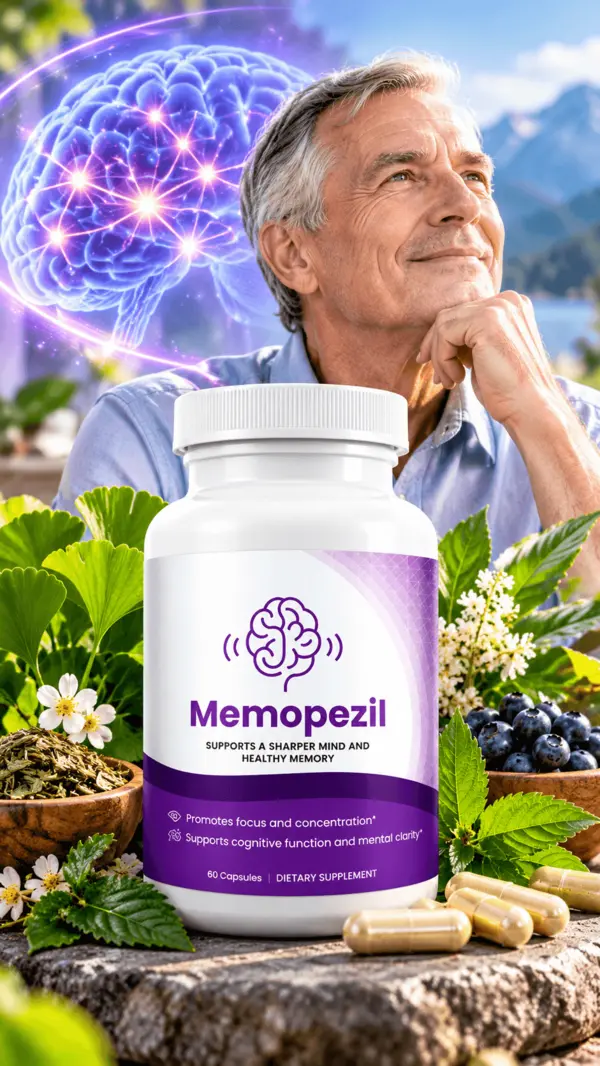
Memopezil has entered the conversation around memory support for those over 50. This natural supplement is designed with ingredients aimed at enhancing cognitive function.
What’s interesting about Memopezil is its blend of compounds that may support brain health. Ingredients include potent antioxidants and nutrients known to promote synaptic health and neurotransmitter balance.
A study conducted in 2022 showed that participants taking a similar formulation experienced noticeable improvements in memory and focus over three months. This speaks to the potential benefits of such supplements.
In Illinois, many older adults are exploring options like Memopezil as part of their routine to combat memory decline. It’s about finding what works for you within a broader approach to health.
Memopezil could be a valuable addition to your toolkit for supporting memory as you age.
Exercise and Brain Function: Stats You Should Know After 50
Want a brain boost? Regular physical activity is one of the best-kept secrets for enhancing brain function, especially for those over 50.
Statistics show that older adults who engage in consistent exercise report a 20% improvement in memory and cognitive abilities compared to their sedentary peers. This is a powerful testament to the impact of staying active.
A recent study revealed that just 150 minutes of moderate exercise per week could lead to significant cognitive improvements in adults over 50. This is an achievable goal for many, especially in states like Florida, where outdoor activities abound.
Many community centers are offering group classes geared toward older adults, making it easier to stay active and socially engaged. This combination can be incredibly beneficial for both mental and physical health.
Exercise isn’t just good for your body; it’s a pillar of brain health you absolutely shouldn’t overlook.
Dietary Patterns and Memory: Best Choices for the Over 50s
What you eat matters—especially for your brain. Certain dietary patterns have been linked to better memory and cognitive function in older adults.
Research indicates that diets like the Mediterranean and DASH (Dietary Approaches to Stop Hypertension) can significantly improve brain health. People following these diets typically show a slower rate of cognitive decline.
A comprehensive study in 2021 found that older adults adhering to a Mediterranean diet had a 25% reduced risk of memory problems compared to those who didn’t. This suggests that what you put on your plate has real consequences for your brain.
In Ohio, many seniors are adopting these dietary patterns, incorporating plenty of fruits, vegetables, nuts, and whole grains. Simple swaps like these can lead to big benefits.
Choosing the right foods can pave the way for a sharper mind as you age.
The Future of Brain Health Supplements: Trends for 2026
What does the future hold for brain health supplements? As we look toward 2026, there’s exciting potential for advancements in this area.
Emerging research is focusing on personalized nutrition and supplements tailored to individual needs, which could revolutionize how we approach cognitive support. The goal? To optimize memory enhancement specifically for older adults.
Studies suggest that by 2026, we might see an increase in formulations that target specific neurotransmitter pathways. This is something that experts believe will open new doors for improving memory and clarity.
In California, the trend of integrating technology with health supplements is already taking shape, with smart supplements that adapt to your body’s responses. This could be a game-changer for many.
Staying informed about these trends can help you make the best choices for your cognitive health in the coming years.
Key Takeaways
- Aging significantly impacts memory and cognitive function.
- Neurotransmitter balance is critical for maintaining focus and memory.
- Omega-3 fatty acids and antioxidants are vital for brain health.
- B vitamins play a crucial role in preventing cognitive decline.
- Adaptogens may offer natural support for mental clarity.
- Regular exercise is linked to improved memory function in older adults.
- Dietary choices directly influence cognitive health as we age.
References & Sources
- Cognitive Impairment and Aging — PubMed
- Neurotransmitter Levels in Aging — PubMed
- Omega-3 Fatty Acids and Brain Function — PubMed
- Antioxidants and Cognitive Decline — PubMed
- B Vitamins and Memory Enhancement — PubMed
- Adaptogens and Mental Clarity — PubMed
- Exercise and Cognitive Function — PubMed
- Dietary Patterns Supporting Brain Health — PubMed